Court Orders New Trial Over Improperly Excluded Construction Expert Testimony
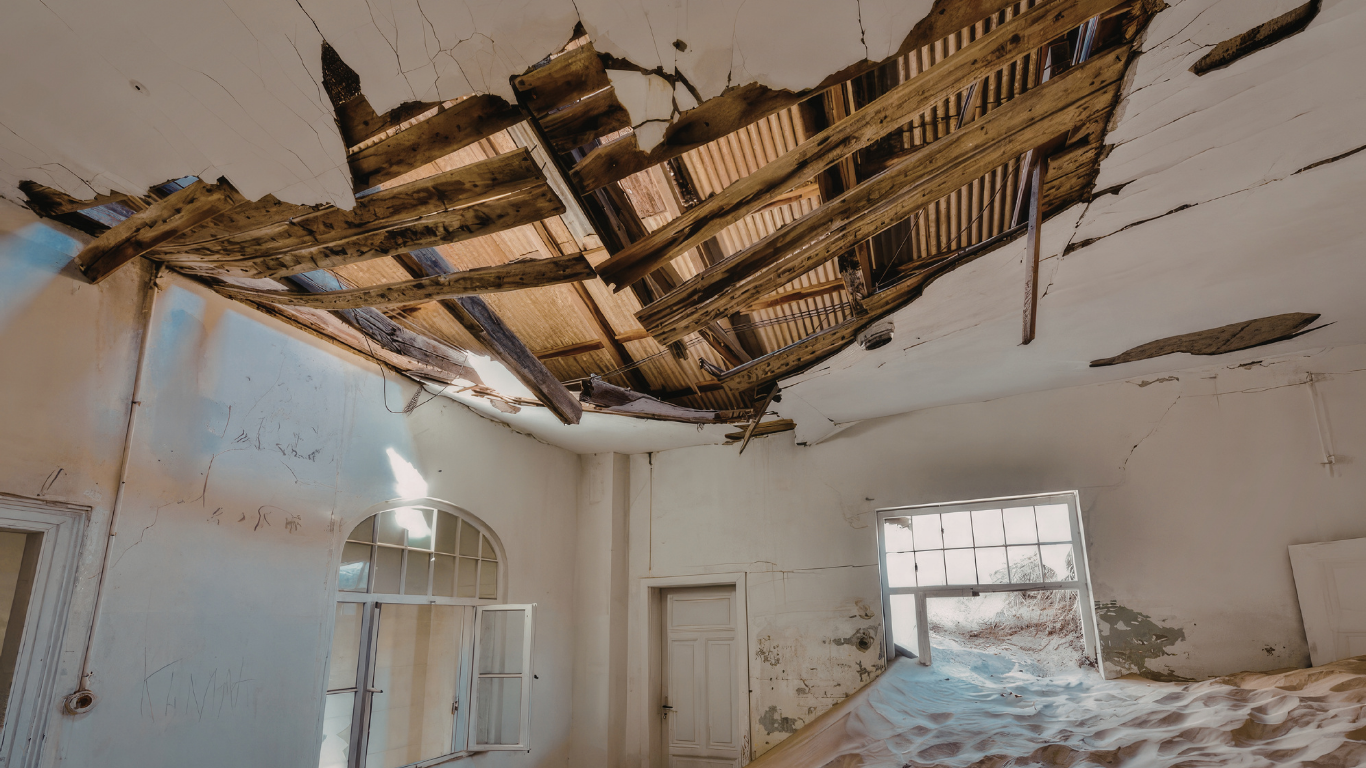
Stout v. Cassity, arises from a dispute between a landlord and tenant over injuries suffered by the tenant after the kitchen ceiling collapsed. After moving into the property, the tenant reported to the landlord that the roof leaked when it rained. After a rain storm, the landlord came to the property to investigate a leak in the kitchen at the tenant’s request. While there, the landlord poked a hole in the ceiling and some water came out. After the landlord left, a portion of the ceiling collapsed on the tenant, causing injuries to the tenant. The tenant ultimately sued the landlord over those injuries.
Prior to trial, the tenant disclosed its expert, a state certified contractor with expertise in building matters, including roofing and plumbing. Tenant disclosed that the expert would testify to his opinions regarding the ceiling collapse, the weight of the ceiling section that collapsed in wet conditions, and the condition of the ceiling upon examination. The expert also indicated he would testify that the condition of the ceiling collapse was the result of the leaking roof.
During litigation, the landlord did not seek to depose the expert but served expert interrogatories and requests for production. The tenant objected to these on the basis that the landlord had exceeded the total number of permissible interrogatories without seeking leave of court to request more. Prior to a mid-litigation arbitration, the tenant produced a two page document summarizing the expert’s understanding of the facts, his investigation, and some conclusions. The document was not called a report, nor did it indicate it set forth the expert’s trial opinions. The document did indicate that the kitchen at the property had two ceilings with a 3/4” gap between them, which collected water, causing an eventual collapse. The expert estimated that the weight of the ceiling when it collapsed was around 240 pounds.
Less than two weeks before trial, the landlord filed an emergency motion to compel responses to the expert discovery, which was again objected to by the tenant. Four days before trial, the landlord moved to strike the expert under Daubert v. Merrell Dow Pharmaceuticals, arguing that the opinions in the two page document were assumptions and were unreliable.
The court heard the motion to strike at the start of trial. The landlord argued that it was not required to engage in expert discovery once the expert authored a report and that the report limited the scope of what could be testified to at trial. The tenant argued in response that the landlord could not fail to depose the expert or take further discovery and then seek to have the expert excluded. The court denied the motion to strike, but ruled that the opinions on the weight of the ceiling debrise must be proffered outside the presence of the jury. The parties also agreed that the expert would be deposed by the landlord during a one day break in the trial.
After the deposition, when the expert was called to testify, the landlord continued to complain of surprise, arguing that the expert was offering new opinions that were not contained in the two page document previously produced. The trial court ultimately limited the expert’s testimony to the contents of the two page document previously produced, and construed the document narrowly, in sustaining further objections to the expert’s testimony during trial. The tenant repeatedly argued to the Court that this information could have been obtained by the landlord had it done any pre-trial discovery relating to the expert. At the conclusion of trial the jury found for the landlord and the tenant appealed.
On appeal the tenant argued that the trial court erred in limiting the expert’s testimony to the two page document provided during litigation and in taking a narrow view of it when dealing with objections during trial. The tenant also argued that the landlord’s issues raised at trial were due to the landlord’s own failure to engage in expert discovery.
Florida’s Second District Court of Appeal first noted that the tenant’s expert was timely and properly disclosed. The 2nd DCA similarly noted that there as not dispute that the landlord failed to depose or otherwise seek proper discovery regarding the tenant’s expert. The court then concluded that:
Against this backdrop, Landlord's claim of unfair surprise rings hollow. Landlord had every opportunity to timely and properly seek discovery about [the expert’s] opinions, but for whatever reason declined to do so. Then, even after actually deposing [the expert] during trial, Landlord continued to claim surprise about his opinions on the ceiling collapse, which the trial court credited. This was error.
After reviewing other case law on the subject, the court further concluded that:
[A]ny surprise at trial by Landlord about [the expert’s] opinions was squarely self-inflicted and entirely avoidable. As in Dos Santos and Aponte, it was incumbent upon Landlord to conduct proper pretrial expert discovery in the first instance, and the failure to do so is consequential. Although the court here did not exclude [the expert] entirely, its ruling excluded major components of his testimony—including on the hotly disputed issue of causation—that no other identified witness could provide. The exclusion of such testimony central to Tenant's case was unquestionably harmful.
Whatever “surprise” Landlord perceived regarding [the expert’s] opinions at trial was due to Landlord's own failure to use any of the many tools at her disposal to properly seek them before trial. Moreover, Landlord was permitted to cure these discovery failures by actually deposing [the expert’s] during a break in trial, yet she continued to claim surprise even after doing so. On this record, any “prejudice” to Landlord was not attributable to Tenant and, in any event, is not the kind that Binger protects against.
The 2nd DCA then ordered a new trial consistent with its opinion.
About the Author:


Jason Lambert is a Florida Board Certified Construction Attorney and Partner in the Construction Industry Practice Group at Hill Ward Henderson, in Tampa, Florida. He is also the founder and chief contributor to the Hammer & Gavel construction law blog. Jason focuses his practice on representing contractors, subcontractors, and materials suppliers throughout the state of Florida. Before law school, Jason spent a decade working in the construction industry, primarily as a project manager and operations director for both new construction and remodeling. He can be reached at jason.lambert@hwhlaw.com or 813-227-8495.