Court Reverses $86,000.00 Restitution Award Against Unlicensed Contractor
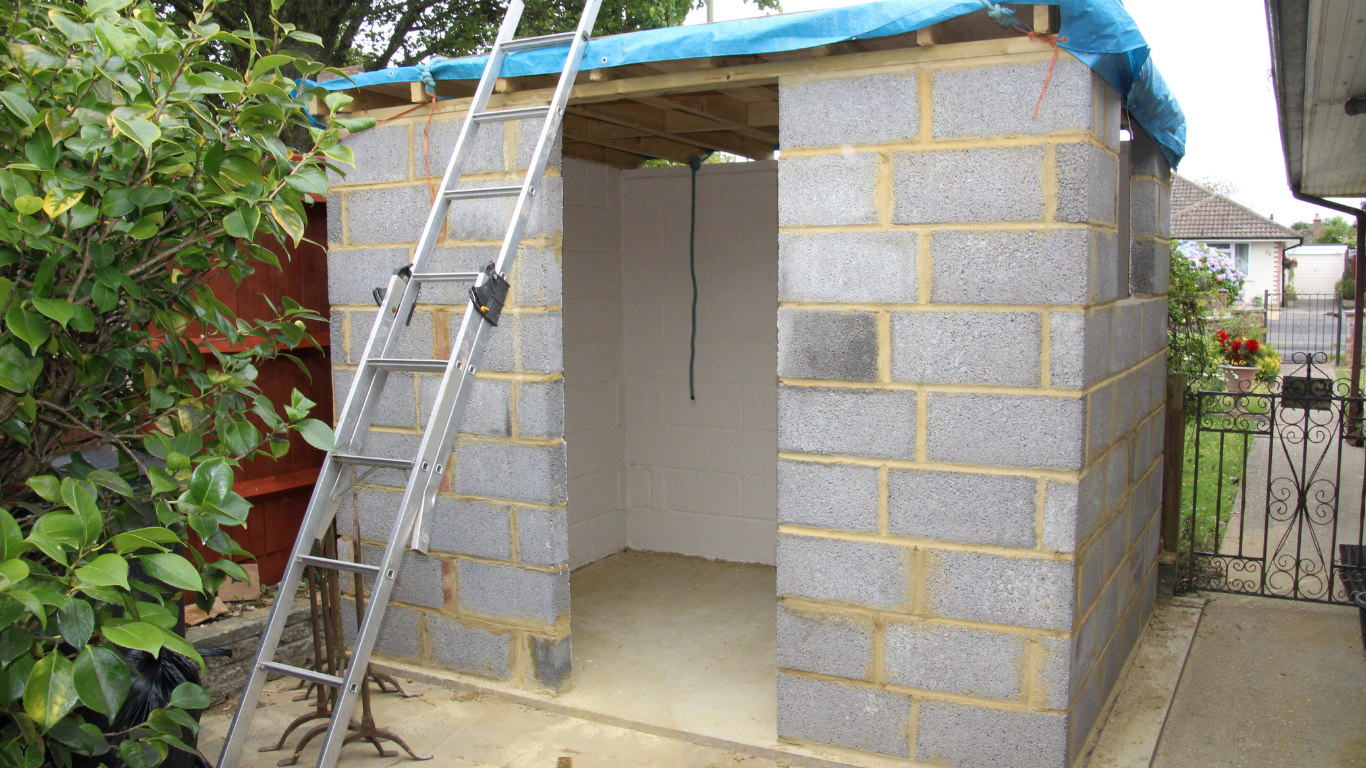
Pope v. State arises from an appeal of an award of restitution against an unlicensed contractor. A homeowner hired the unlicensed contractor to build two “efficiencies” in the backyard of her home. While the homeowner had heard from someone in her church that the contractor was licensed, this was inaccurate. After the work was “complete” the homeowner complained that none of it was satisfactory, including that the walls were defective, and toilet wouldn’t flush, and dirt came out of the toilet. Ultimately the contractor was charged with unlicensed contracting, to which he pleaded no contest and received twelve months probation. A trial was held on the amount of restitution to which the homeowner was entitled.
At trial, in addition to testifying regarding the poor quality of the work, the homeowner testified that she had paid the contractor $102,000 in cash for the work, though this testimony had to be refreshed by a report prepared by the Florida DBPR investigator. The homeowner also testified that she ultimately had to have the structures demolished and paid someone to do that. In its closing the State argued that it was relying on a series of handwritten contracts signed by the contractor to establish that $86,000 of the $102,000 had been paid to the contractor. While these contracts were reviewed by the court, none of them were admitted into evidence. At the conclusion of the trial, the court entered a restitution order, finding that the victim was elderly and disabled and requiring the contractor to pay her $86,000 as a condition of probation. The contractor appealed.
On appeal, the contractor argued that the restitution award should be vacated because it was unsupported by legally sufficient evidence because the State failed to admit any of the documents supporting the claim into evidence during the hearing, and none of the contents of the documents were read into the record. While the State argued in response that the defendant testified that she paid $102,000 and that the $86,000 was only the documentation that was available to support a portion of that number, the appellate court agreed with the contractor and reversed the restitution award.
Specifically the Court held that:
Here, the victim testified she paid the defendant $102,000, but the State had to refresh her recollection to elicit her testimony, and it was not supported by any documentary evidence other than the self-reported loss in the investigator's report. And while it appears that the court looked at documents which the state represented to be a series of handwritten contracts ... signed by the defendant ... totaling ... 86,000 dollars, none of them were introduced into evidence. The State conceded in closing argument that it could account for only $86,000. Even so, the record fails to reflect evidentiary support for that amount. For this reason, we must reverse.
About the Author:


Jason Lambert is a Florida Board Certified Construction Attorney and Partner in the Construction Industry Practice Group at Hill Ward Henderson, in Tampa, Florida. He is also the founder and chief contributor to the Hammer & Gavel construction law blog. Jason focuses his practice on representing contractors, subcontractors, and materials suppliers throughout the state of Florida. Before law school, Jason spent a decade working in the construction industry, primarily as a project manager and operations director for both new construction and remodeling. He can be reached at jason.lambert@hwhlaw.com or 813-227-8495.